
Chinese Food
Chinese cuisine has a long history and is extremely rich and profound. After thousands of years of inheritance and innovation, it has integrated the climatic conditions, local customs and dietary wisdom of the north and south, forming a dietary pattern where each province has its own unique flavor and each region has its own outstanding dish. From the rich and intense flavors of the northern cooking, to the fresh and delicate tastes on the tip of the tongue in the south, every local specialty dish is a vivid carrier of regional culture, containing the human warmth and vitality specific to the mountains and rivers of the land. Now, let's introduce in detail the classic representative delicacies from multiple provinces and cities across the country.
Beijing
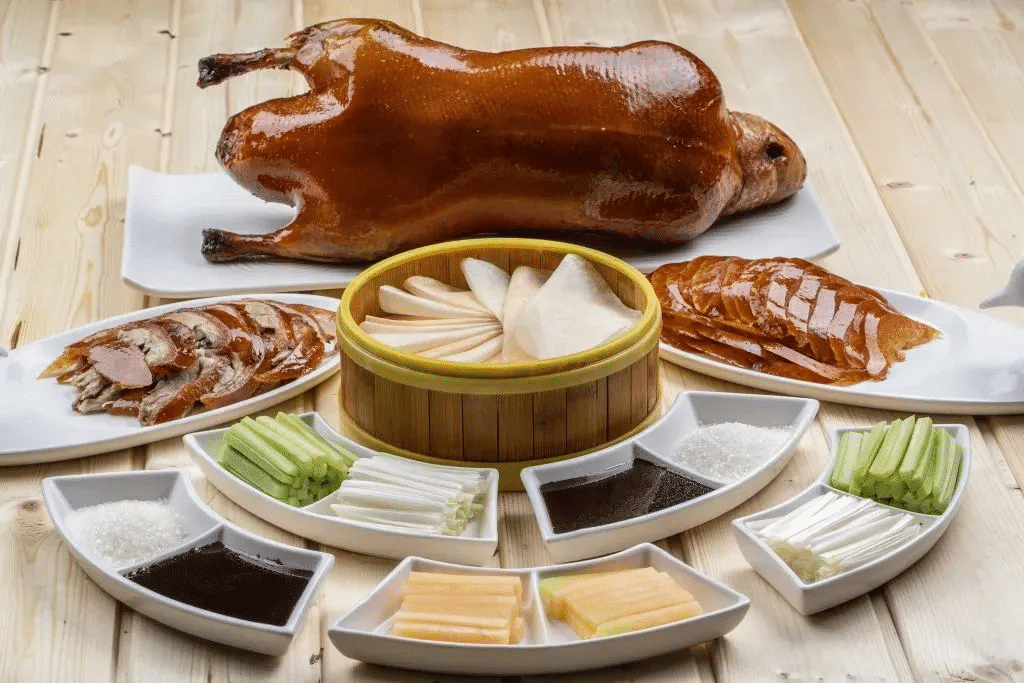
Beijing Roast Duck is the hallmark of Beijing-style cuisine, ranking first among the city's famous dishes and enjoying a worldwide reputation. It has a century-old heritage of imperial cuisine. The duck is carefully selected from the fat and tender Beijing breed. It is seasoned, stretched with skin, soaked in boiling water to remove the skin's moisture, then dried in sugar syrup and finally roasted over a wood-fired oven. The finished product has a deep, rich red color and a transparent, shiny surface. The skin is crispy and thin, melting in the mouth, while the meat is tender and juicy, with a rich but not greasy texture. The classic way to eat it is with mint leaf pancakes, rolled with duck meat, scallion threads, and cucumber strips, dipped in the secret sweet sauce. When you take a bite, the flavors of the sauce, fruit, and meat blend together layer by layer, creating a rich and varied taste. It is a classic dish to entertain important guests and represents the essence of Chinese cuisine.
Beijing fried sauce noodles are the staple food that defines the daily life of old Beijing people, carrying the authentic flavor of traditional Beijing cuisine.
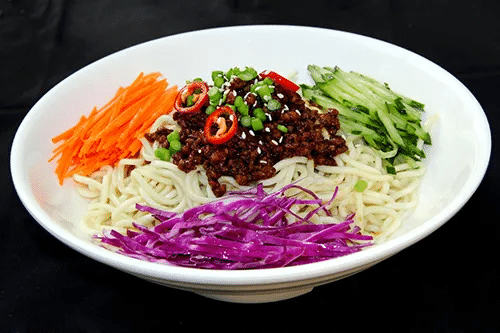
The core essence lies in the secret recipe of the fried sauce, which is made by slowly simmering and stir-frying diced pork, yellow sauce, and sweet bean sauce. The resulting sauce is rich and thick, with a salty, sweet, and lingering aftertaste, without any greasiness. The hand-rolled noodles, after being cooked and cooled, are firm and smooth, and are drizzled with an ample amount of fried sauce. They are paired with refreshing cucumber strips, bean sprouts, green beans, and other seasonal side dishes. After being well mixed, the sauce aroma coats every single noodle, making it salty, flavorful, refreshing, and not greasy. It is the everyday taste ingrained in the hearts of Beijing people.
wuhan
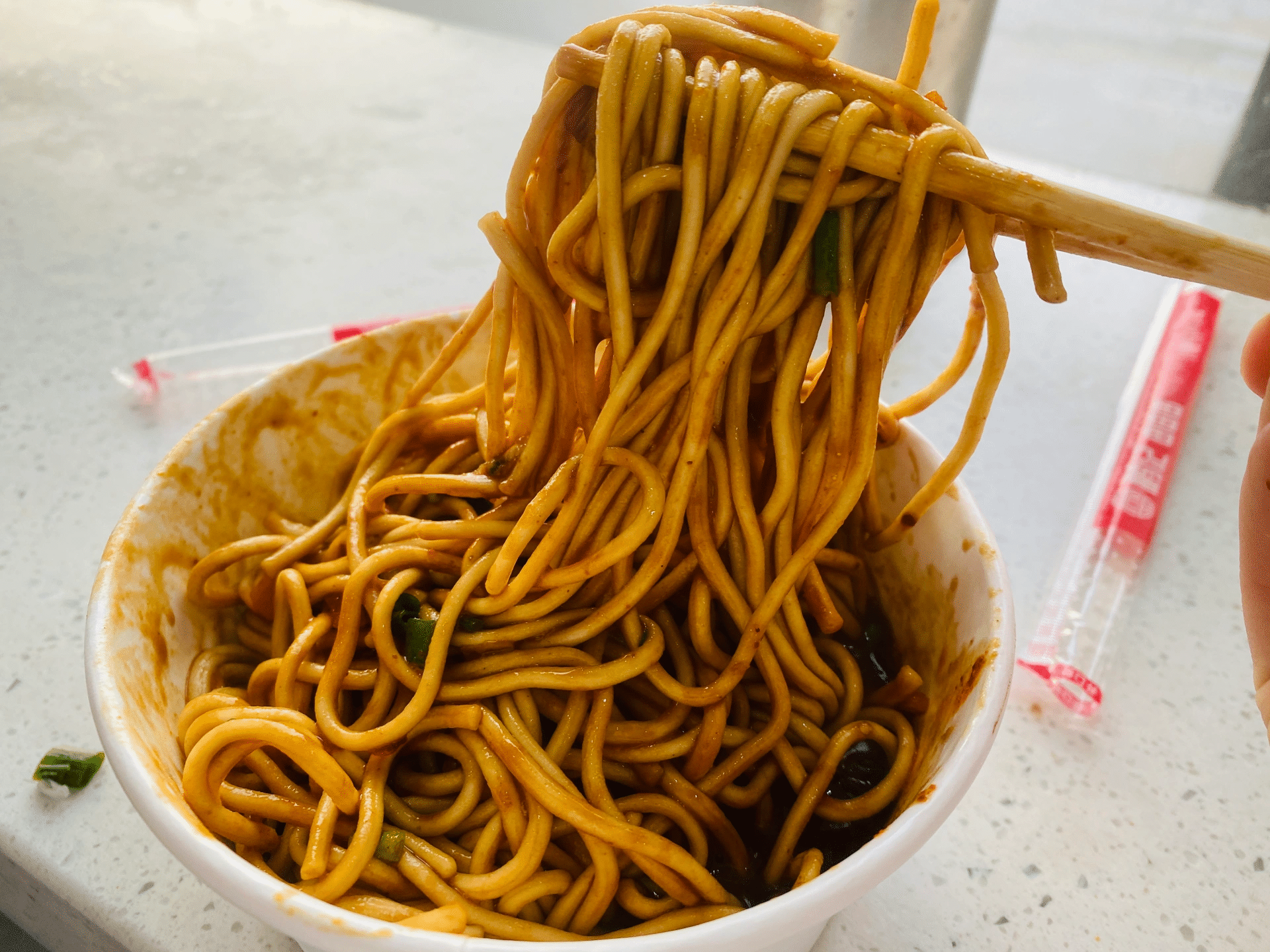
Wuhan hot dry noodles are a signature dish of Wuhan's city cuisine, ranking among China's top ten noodles. They are the preferred choice for Wuhan people for breakfast. Unlike the light taste of noodle soups and the refreshing taste of cold noodles, hot dry noodles feature a dry, mixed, and fragrant flavor. They use high-quality, firm alkaline noodles, which are cooked, drained, and then mixed with sesame oil and cooled. The noodles are firm and have elasticity, and do not stick together easily. When eaten, a secret sesame paste, soy sauce, and chili oil are drizzled on top, along with pickled bean sprouts, dried radishes, and scallions for seasoning. The finished noodles are golden and oily, with distinct strands. The sesame paste is rich and flavorful, with a slight spiciness that leads to a lingering sweetness. The texture is firm and fragrant, filling you up and satisfying your cravings, with a strong flavor of home cooking.
Steamed Wuchang Fish is a classic dish from Hubei Province
The cooking technique of Wuchang Fish has been included in the provincial intangible cultural heritage list. It has long been renowned as "After drinking the water of Changsha, I then ate Wuchang Fish." The fish is selected from fresh sources, and after being cut and processed, it is topped with scallions and ginger as the base, seasoned with chicken broth, and then steamed over high heat. This method ensures the maximum preservation of the original flavor of the fish meat. The fish is white, delicate, tender and smooth, with a clear and refreshing broth that is sweet and without any fishy smell. The meat is firm and chewy, light and elegant, and not greasy at all. It is a classic representative of the original flavor of Hubei cuisine.
SICHUAN
Chengdu hot pot is the quintessential representative of Sichuan cuisine, embodying the essence of Ba-Shu dietary culture.
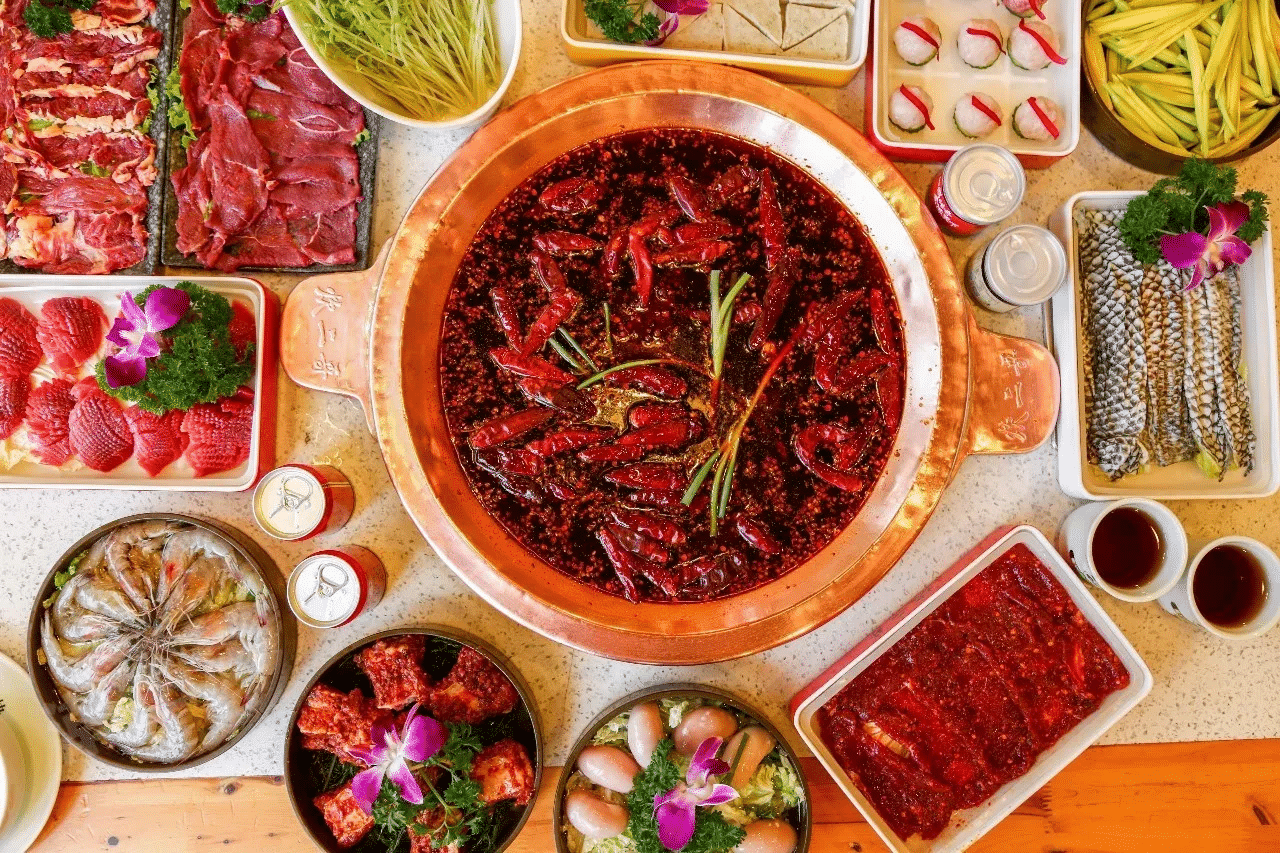
It has become popular nationwide with its distinctive flavors of "spicy, fresh, and rich, with a thick and mellow texture". The classic beef oil base is combined with dozens of local Sichuan spices such as huangtian pepper, green and red pepper, star anise, and cinnamon, and is simmered over low heat for several hours. The red oil in the pot is clear and not greasy, the spiciness is rich without irritating the throat, and the spiciness is pure without making the mouth dry. When you stir-fry ingredients like beef tripe, duck intestines, fatty beef, and tender beef, they absorb the rich flavor of the pot. The taste is spicy and satisfying, with a rich and varied texture. Chengdu hot pot emphasizes "anything can be stir-fried", combining a sense of warmth with inclusiveness. It is an essential delicacy for gatherings among the people of Sichuan.
Andan noodles are a classic snack from Sichuan. They originated from the time when vendors carried baskets to sell their goods.
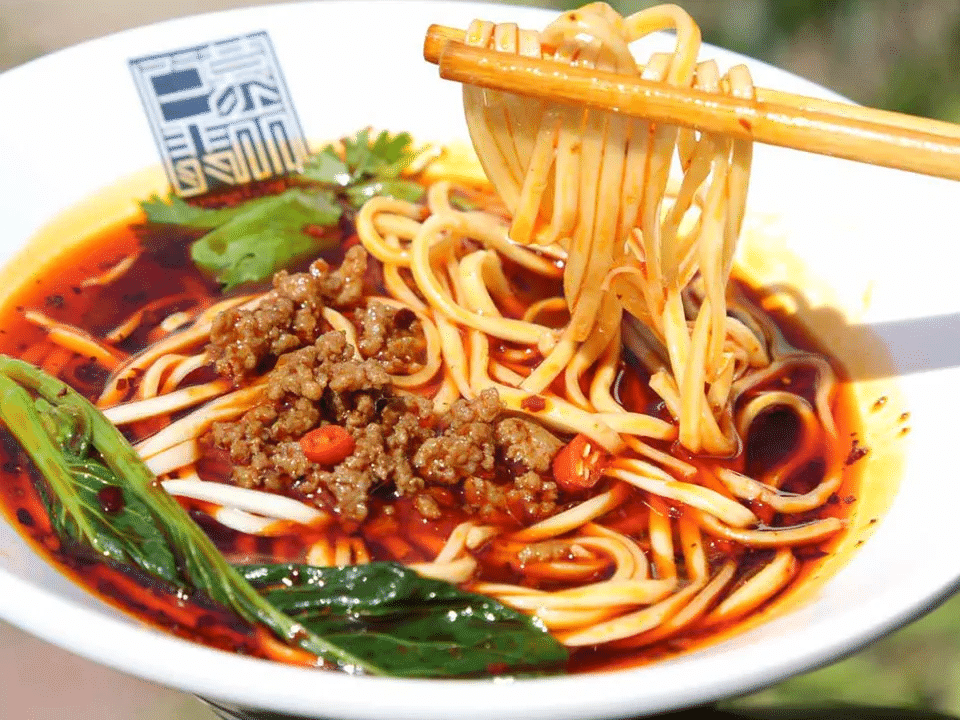
After the thin handmade noodles are cooked, they are served with pickled vegetables, minced meat, crushed peanuts, chili oil, and other seasonings. The noodles are firm and flavorful, with a spicy and salty taste, the pickled vegetables are crisp and refreshing, the minced meat is rich and fragrant, the spiciness is moderate and the aftertaste is long-lasting. They are small and exquisite, filling your mouth with flavor in one bite, and are the classic benchmark of Sichuan-style snacks.
Jiangsu
Nanjing Salted Duck
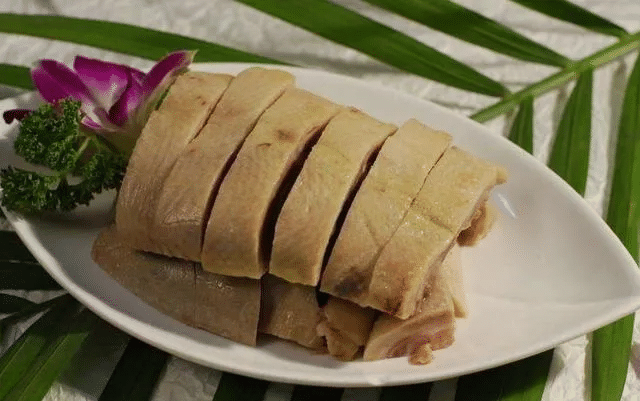
Salted duck is a landmark cuisine of Nanjing city with a history of over a thousand years. It is a representative of the delicate and elegant style of Huaiyang cuisine. The preparation does not require heavy coloring or ingredients. It is slow-cooked in a simple brine made of salt, pepper, star anise, etc., and then air-dried to absorb flavors. The finished product has white duck skin like jade, tender meat, and a uniform fat-to-meat ratio. The taste is salty and fragrant, fresh and tender, not greasy or oily. The brine aroma is rich and long-lasting, preserving the original fresh flavor of the duck meat. It is light and delicious, with a lingering aftertaste.
chongqing
Maoxiewang is a classic representative of Chongqing's "jianghu cuisine," renowned for its bold, spicy, and flavorful profile with a perfect balance of meat and vegetables
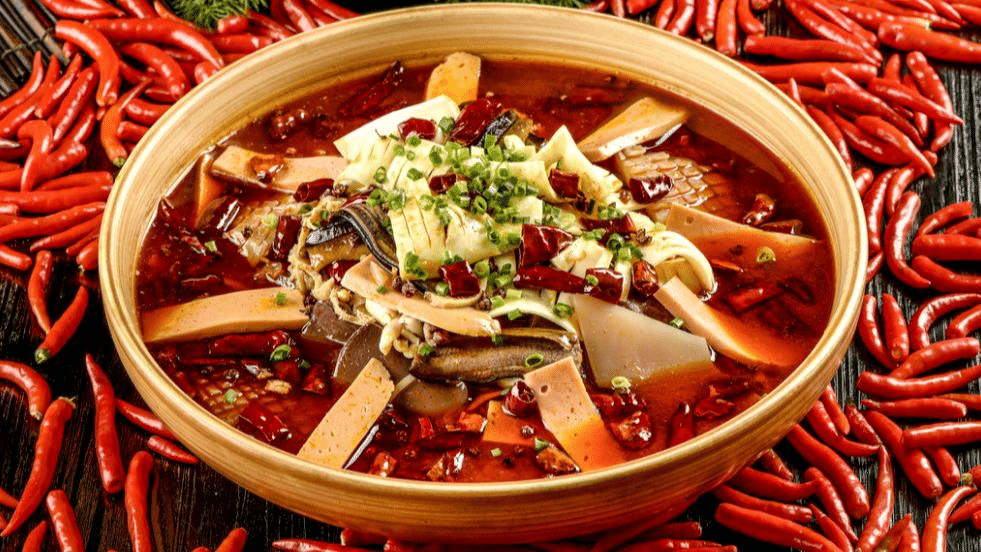
The dish features fresh duck blood, tripe, yellow throat (a type of throat tissue), canned ham, bean sprouts, and lettuce stems, all simmered in a rich, spicy Chongqing broth over high heat. Each ingredient absorbs the pungent, numbing flavors of the sauce—duck blood becomes tender and deeply seasoned, while the tripe remains crisp and chewy. With its intense spiciness, rich aroma, and thick, savory broth, Maoxiewang delivers a hearty, robust taste that perfectly embodies the bold and fiery essence of Chongqing cuisine.
Liaoning
Sichuan-style braised Liaoning sea cucumber
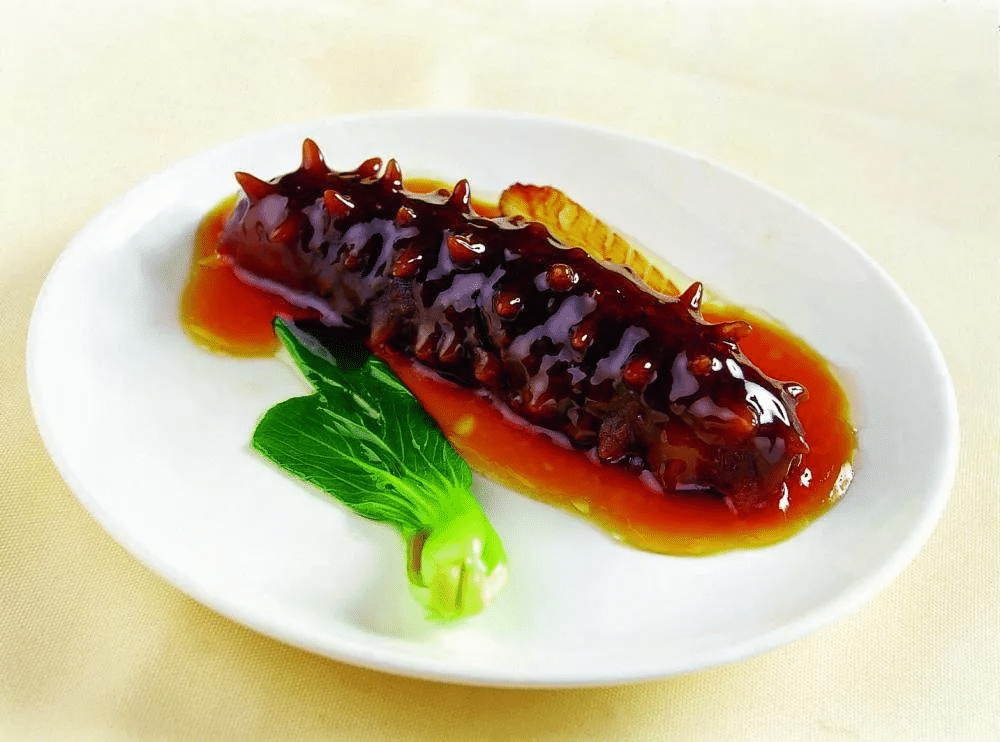
Sichuan-style braised Liaoning sea cucumber is a classic and high-end delicacy from Northeast China, representing the signature dish of Liaoning cuisine. It is made by using high-quality Liaoning sea cucumbers and pairing them with Northeastern scallions. After simmering and reducing the sauce, it is ready. The final product has a shiny and rich red color, the sea cucumbers are soft, tender, and juicy, with a thorough flavor absorption. The scallion segments are sweet and not spicy, with a strong aroma. The thick sauce coats the ingredients, making it salty, rich, and elegant in flavor. The texture is delicate and high-end, fully demonstrating the meticulous craftsmanship of Liaoning cuisine.
Shaanxi cuisine is characterized by noodles as the main dish, a combination of steamed buns and other dishes, and a strong, spicy flavor. It is the core representative of Northwest cuisine, and every bite exudes the solidity and boldness of the Loess Plateau
shanxi
Spiced Lamb Sandwich (Provincial Intangible Cultural Heritage)
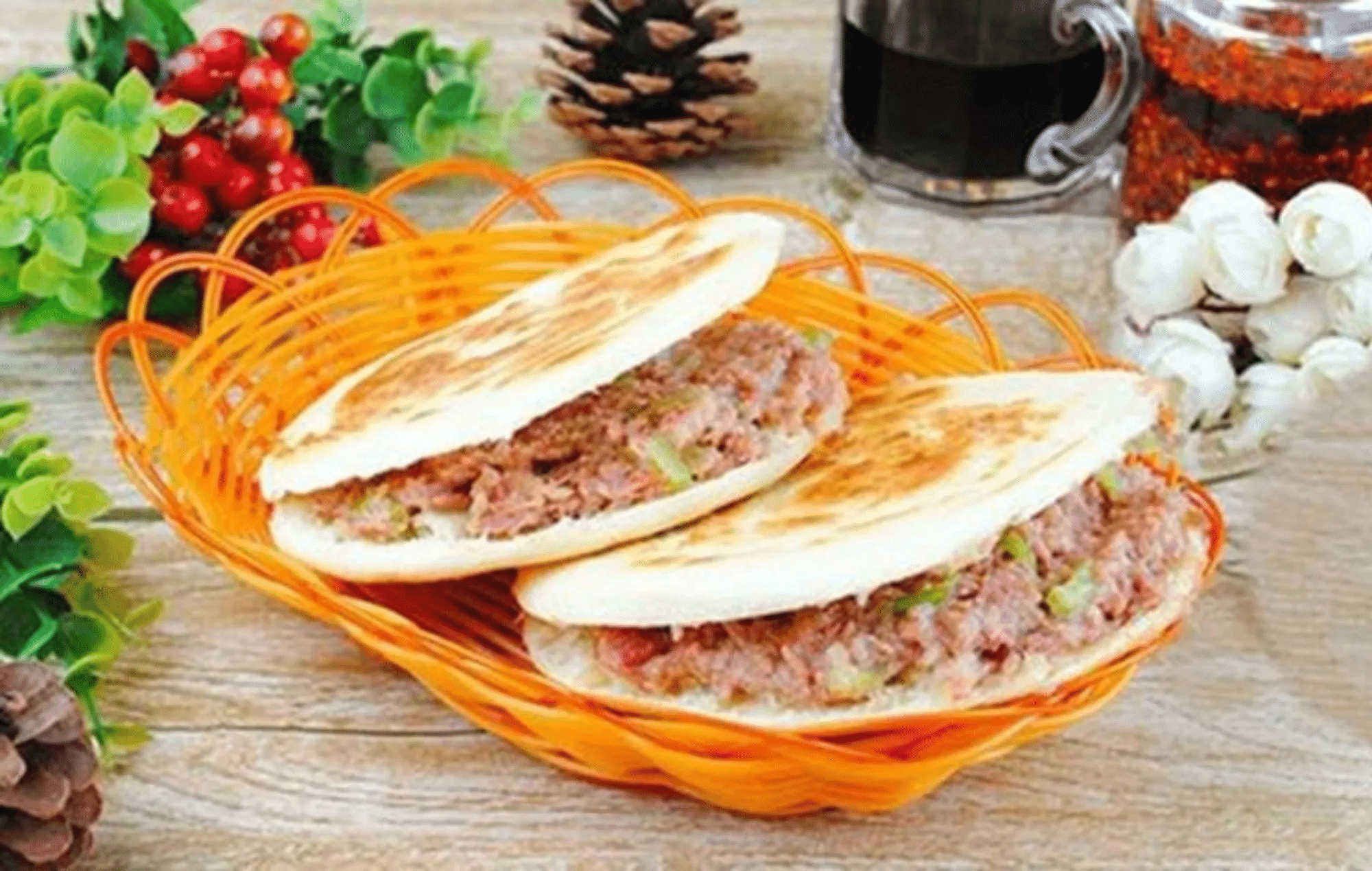
Shaanxi meat-filled buns are hailed as the pioneer of Chinese hamburgers and the top national snack in Shaanxi. Made with marbled pork that is both lean and fatty, it is simmered in a rich broth with spices like star anise and cinnamon for 4 hours until tender. The meat is then minced and added to the crispy and soft white jiao bao buns. The buns are fragrant and the meat is moist, with the fat not greasy. The meat juice permeates the core of the buns, and it bursts with juice when bitten, which is a kind of carbohydrate joy ingrained in the genes of the old Shaanxi people.
Chinese cuisine varies from province to province, each with its own unique flavor and culture. Northern cuisine is rich and substantial, with a focus on noodles, braised dishes, and hearty main courses, showcasing a bold and grand style; Southern cuisine is delicate and fresh, with specialties such as steaming, slow-cooking, and fresh stir-frying, hinting at a gentle and elegant charm. From the humble street food to the classic dishes served at banquets, every dish is a gift from a particular region and represents the inheritance of thousands of years of culinary culture. It connects to the tender romance and warm atmosphere of Chinese taste buds and daily life.